
The Story Behind The Practice

From The Ice To The Clinic

I know what it feels like to be hurt, to have something real on the line, and to receive care that addresses the symptom without changing anything underneath it. I have been that patient. That experience is the reason this clinic exists.

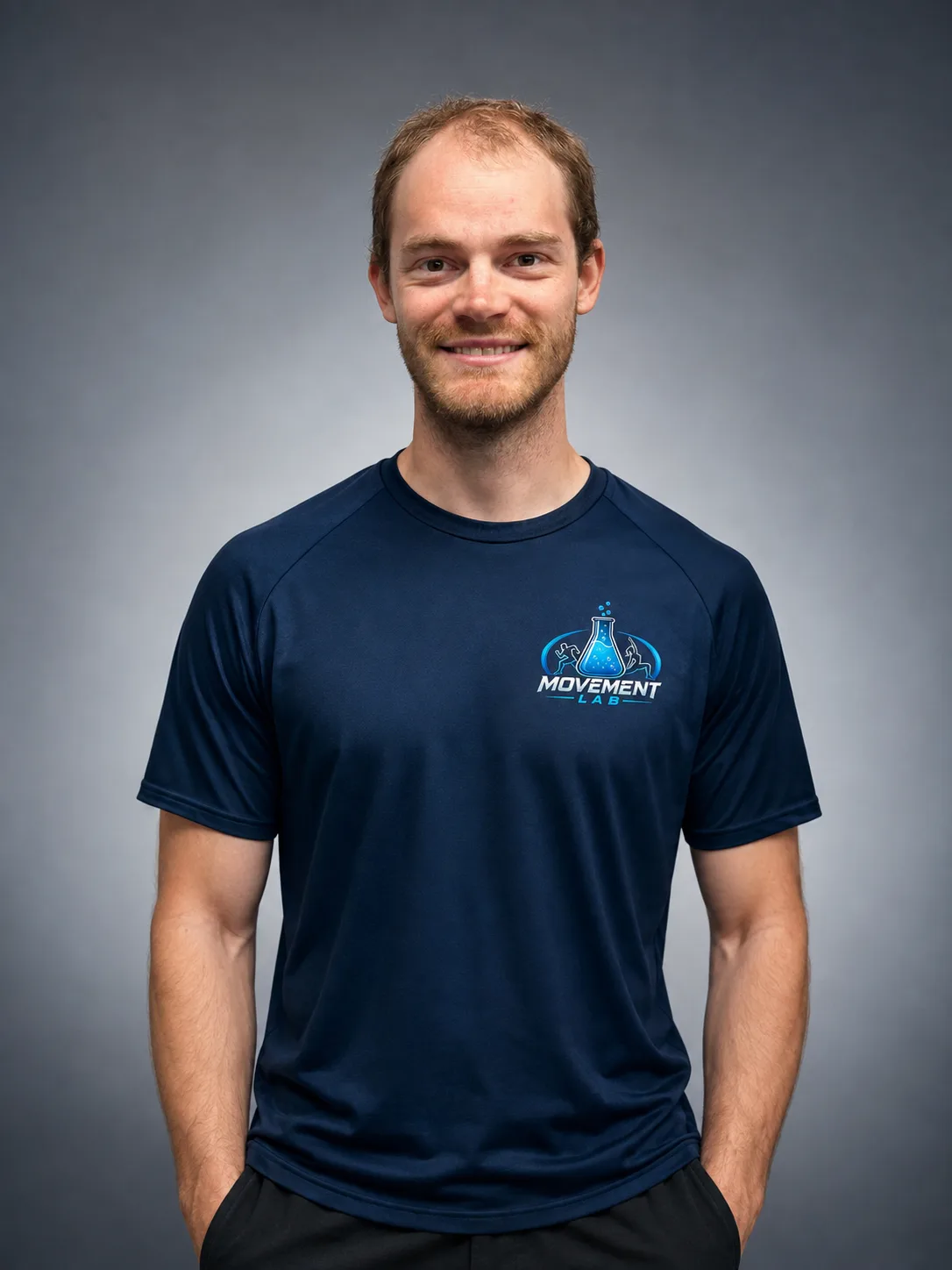
Dr. Marshall Gevers
Marshall Gevers, D.C.

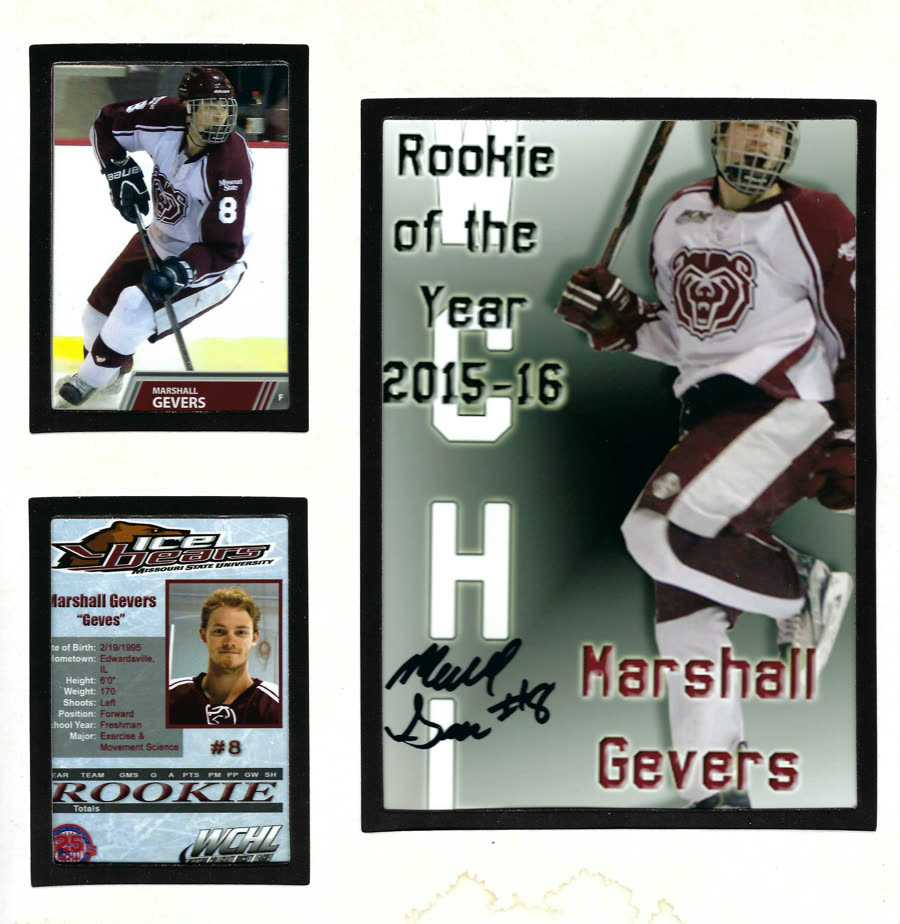
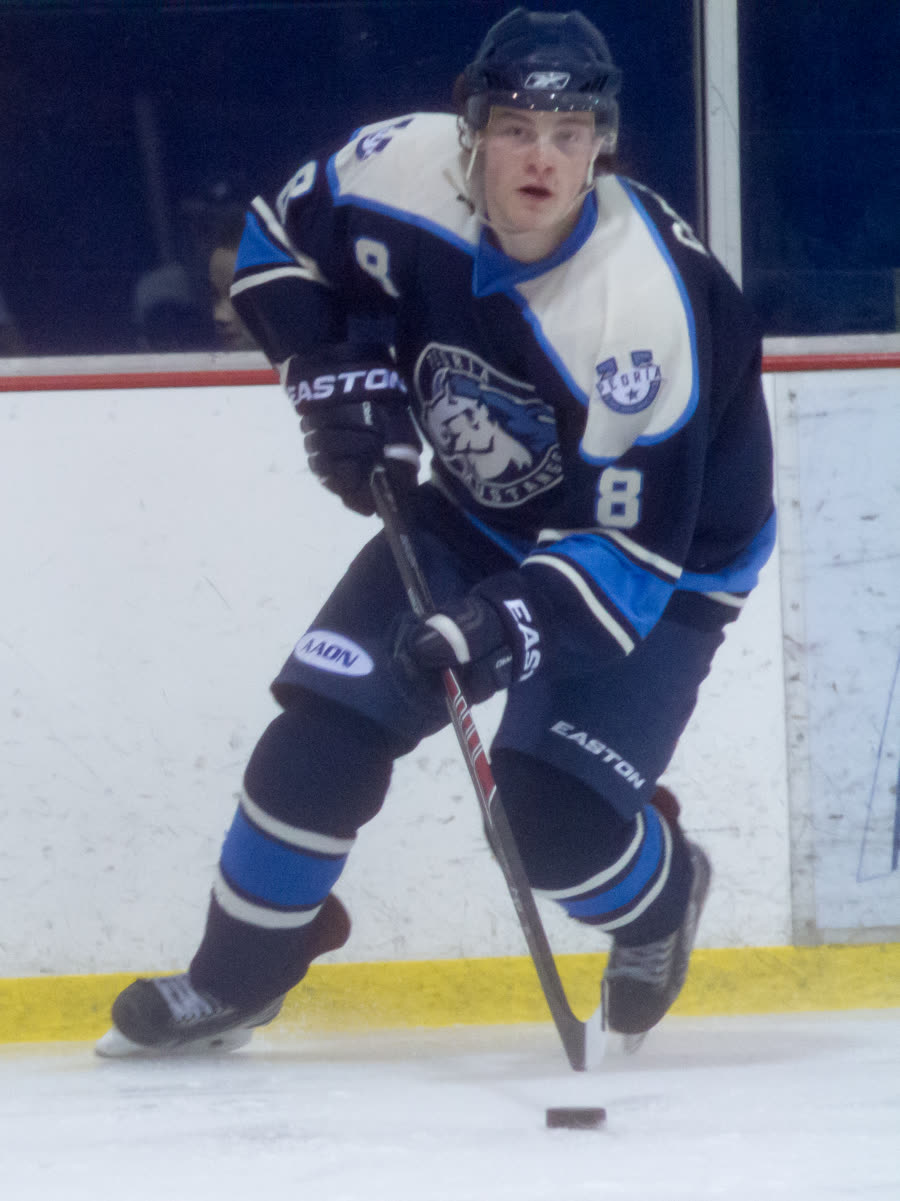
Before I became a chiropractor, I was a hockey player. Varsity in high school, then junior hockey, then ACHA D1 at Missouri State University. The level kept getting higher, and so did the stakes. Getting hurt at that level is not just painful. It is a threat to everything you have been working toward.

I got hurt more than once. I worked with a lot of different professionals: athletic trainers, physical therapists, chiropractors. Each of them helped. Each time I came back between okay and ready. At that level, okay isn’t enough.

Marshall Gevers hockey cards and awards

Then I Met Dr. Eric Dixon

Dr. Dixon was a chiropractor, but he did not treat me the way I had been treated before. He was not just looking at my symptoms. He wanted to know how I was moving, what was not stabilizing correctly, where the breakdown was upstream of the pain. He combined adjustments with rehab built around how the body stabilizes itself. The results were different: measurably, obviously different on the ice.

Then, in my second year of junior hockey, I was in a car accident and tore up my shoulder. Dr. Dixon knew exactly what was torn before any imaging confirmed it.

The shoulder needed surgery. He built a prehab program that held it together through the rest of the junior season, so I finished the year on the ice and had the operation once it ended. I rehabbed through the summer and made freshman tryouts without missing a single game.

4 MOActual Recovery
vs.
6–8 MOExpected

That is not a minor variance. That is a different outcome. And it came from treating the whole movement picture, not just the injury.

Marshall Gevers playing hockey

Building A Practice

The Inheritance

After months of work with Dr. Dixon to get back on the ice as fast as I could, I was hooked. I did not just want the result. I wanted the method: how it worked, and why it worked when nothing before it had. I planned to go into practice with him once I finished school, and he was on board. He passed away in 2016. I finished my degree at Logan University and built this practice on the model he showed me: function first, passive care as a tool and not a ceiling, and never send someone back until they are genuinely ready.

My Own Concussion

I had multiple concussions over my playing career. The guidance I got was outdated, the plan was vague, and I spent a long time feeling stuck without any real sense of when things were going to get better. I know what it feels like to be dismissed and handed bad information when you are already at your worst. I did not want that to be anyone else’s experience here, so I went and got certified in concussion management rather than piecing it together as I went.

Everything I know about treating athletes came from being one, getting hurt, working inside every kind of care setting, and watching what actually made a difference. This practice is the result of all of that.

Core Philosophy

Standing Principles

The Driver

Symptoms tell you where the breakdown arrived, not where it started. If I treat only the place that hurts, I am treating the part that gave out and not the reason it did.

The Pattern

Pain can quiet down while the pattern that caused it goes untouched. DNS is how I see and retrain the breathing, bracing, and movement underneath the symptom. Until that changes, the work is not finished.

The Finish Line

Pain reduction is not enough if you cannot train, compete, work, or move with confidence outside the clinic. You decide where your finish line is. I do not get to move it.

What Patients Need To Know

Cash-Based By Design

Treatment here is structured around what your body needs, not what an insurance model approves. That keeps visits more focused, more coherent, and more honest about the work required to get you back to what you want to do. An insurance framework shapes treatment around what it will reimburse. That is not always the same thing as what you need.

This practice is strongest with people who want a real plan, not indefinite passive symptom management. If that is the kind of care you are looking for, you are likely in the right place.

Person, Not Policy

Your plan is built around the person in front of me. It is not shaped by what a policy will approve, or trimmed to what it will reimburse.

Best Fit

Recurring injury cases, concussion patients, active adults, and athletes who want more than relief.

Start With The Exam

Book an initial evaluation to get a clear picture of what is driving the problem. If nothing is injured and progress has stalled, Performance Diagnostics is where you find your Sticking Point.

  • 4225 IL-159 Ste 2, Glen Carbon, IL 62034
  • Look for the Active Rehab Chiropractic sign
  • (618) 641-3111